Do You Need a 3T MRI for an Elbow Injury?
Learn when 3T elbow MRI can help for UCL tears, osteochondral lesions, tendon detail, and occult fractures, and when X-ray, ultrasound, or 1.5T MRI is enough.
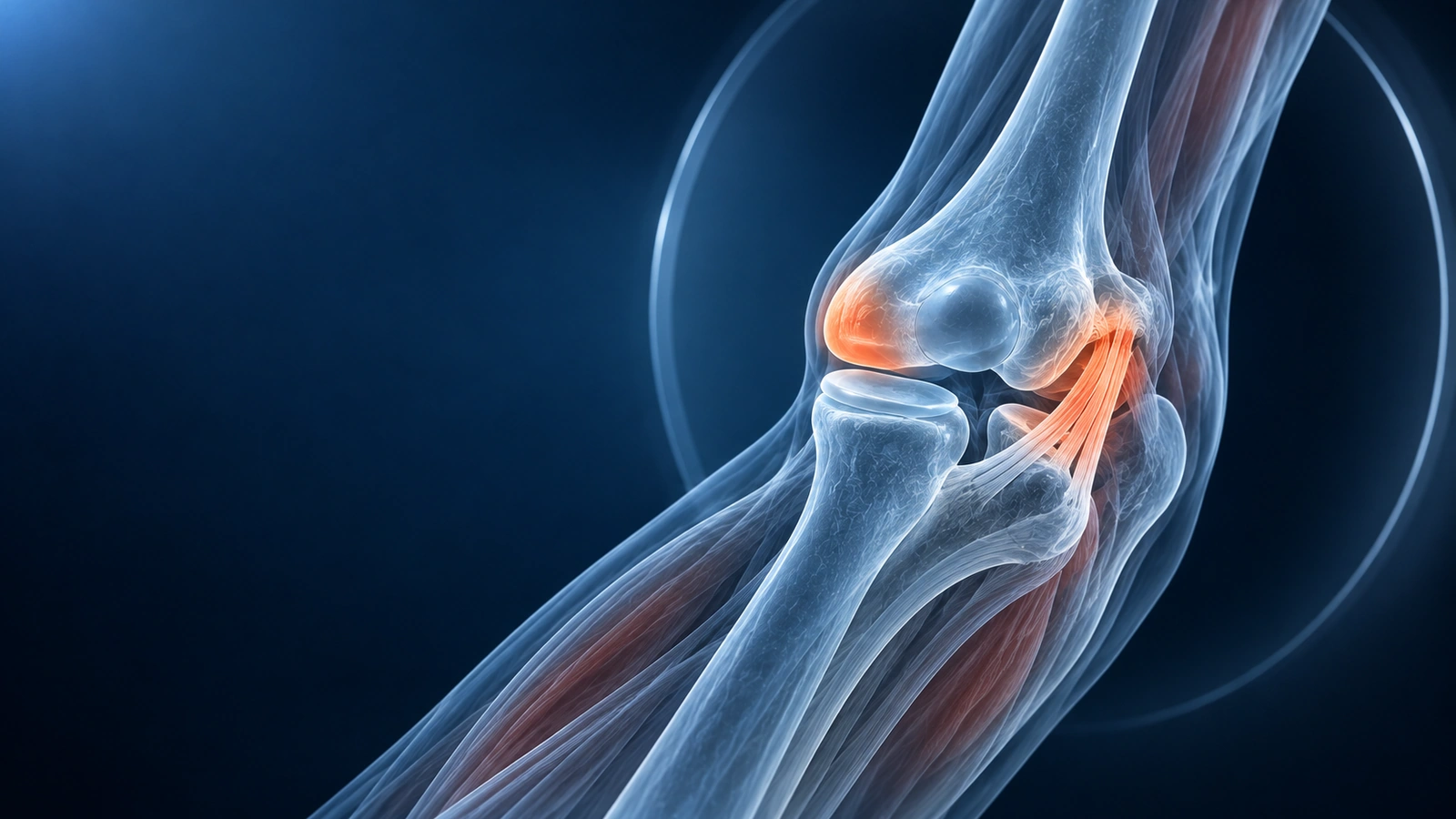
A 3T elbow MRI can help when the important structures are small: the ulnar collateral ligament, capitellar cartilage, loose bodies, distal biceps, distal triceps, and subtle bone marrow injury. It is not required for every painful elbow or every tennis elbow flare.
Elbow imaging is often a choice between X-ray, ultrasound, standard MRI, CT, and sometimes MR arthrogram. The smartest test depends on whether the question is bone, tendon motion, ligament fibers, cartilage, or joint loose bodies.
Quick Answer: When 3T Elbow MRI Is Worth Asking About
Ask about 3T when the decision depends on partial UCL tearing, subtle osteochondral lesions, cartilage, small loose bodies, distal biceps or triceps detail, or occult fracture after normal X-rays. Do not pay for 3T if a targeted ultrasound, X-ray, CT, or clear 1.5T MRI already answers the question.
Check Your Existing Elbow ScanWhen 3T Can Add Value for Elbows
- Throwing athlete UCL questions, especially partial tear and distal or proximal fiber detail
- Capitellar osteochondritis dissecans, cartilage injury, and small intra-articular loose bodies
- Distal biceps or distal triceps injury when the tear extent affects timing or treatment
- Occult radial head fracture or marrow edema after X-rays do not explain symptoms
- Post-operative or complex elbow pain where thin slices and high signal may clarify anatomy
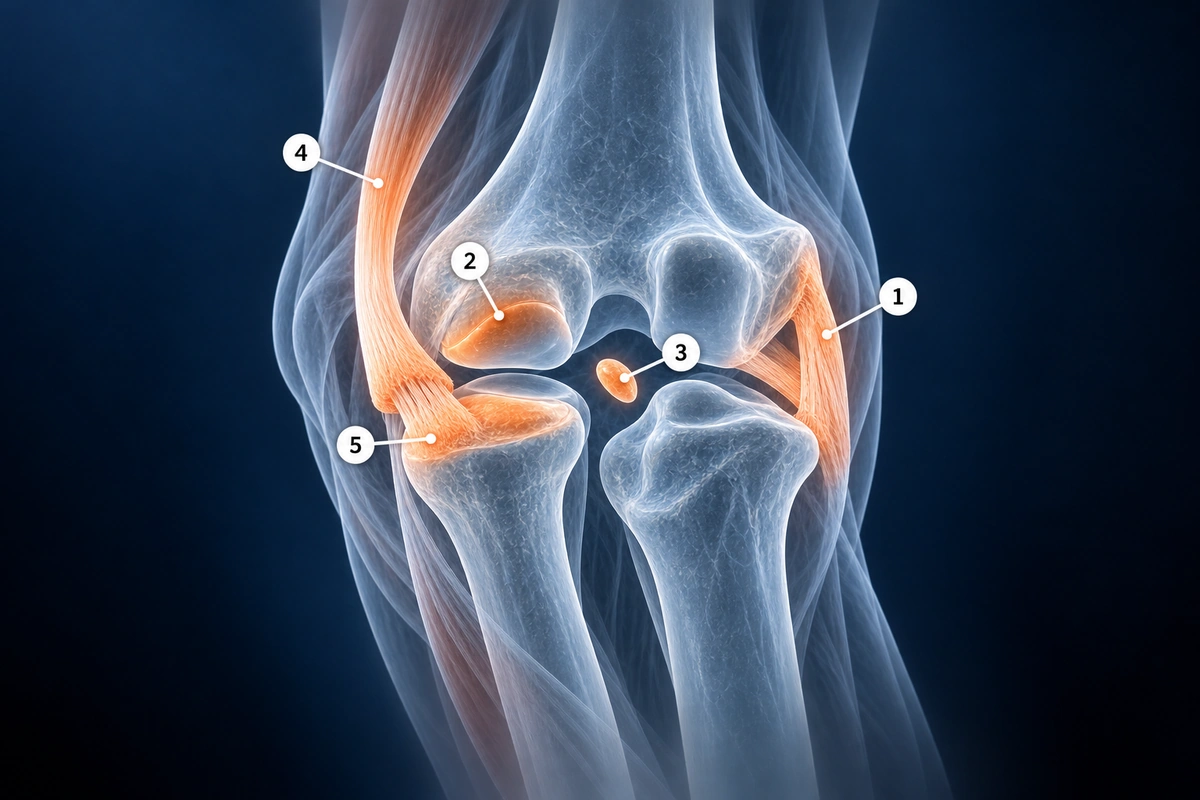
When You Probably Do Not Need 3T
- First imaging after trauma, where X-ray checks fracture, dislocation, and alignment
- Classic tennis elbow or golfer's elbow without red flags or failed conservative care
- Dynamic snapping, nerve irritation, or tendon motion questions better assessed by ultrasound
- Large displaced fractures, where CT may show bone geometry better for surgical planning
- Repeating recent imaging without a new sports, surgical, or neurologic decision
3T vs Ultrasound for Elbow Injuries
Ultrasound can be excellent for tendon tears, dynamic snapping, guided injections, and some UCL stress views. MRI sees deeper joint structures, cartilage, marrow, and bone edema. Compare the trade-offs in our elbow MRI vs ultrasound guide.
Already Have an Elbow MRI, X-ray, or Ultrasound?
Upload your existing elbow imaging for a private AI explanation before paying for another scan. Raw files stay in your browser; optional AI uses rendered images and provides educational context, not a diagnosis.
Upload Elbow ImagingKey Takeaways
- 3T elbow MRI can help with UCL, cartilage, loose body, tendon, and occult fracture questions
- X-ray is still first after many elbow injuries
- Ultrasound may be the better value for dynamic tendon, nerve, or guided-treatment questions
- Repeating a scan makes sense only when the result can change sports, injection, or surgical planning
Frequently Asked Questions
Is 3T MRI necessary for an elbow UCL tear?
Not always. 3T can help with partial UCL fibers and subtle associated injuries, but a high-quality elbow MRI, stress ultrasound, or MR arthrogram may be the better fit depending on the athlete and treatment decision.
Is 3T better than ultrasound for tennis elbow?
Often no. Ultrasound can show common extensor tendon changes and guide injections at lower cost. MRI is more useful when symptoms are atypical, severe, persistent, or when joint or bone pathology is suspected.
Can 3T elbow MRI replace X-ray?
No. X-ray is still the first test for many elbow injuries because it shows fracture, dislocation, alignment, arthritis, and joint effusion patterns quickly and cheaply.
Related Articles
Understand your elbow MRI report including UCL evaluation, epicondylitis findings, and OCD lesion staging.
Compare MRI and ultrasound for tennis elbow, golfer's elbow, UCL tears, and biceps injuries — strengths, limitations, cost, and dynamic assessment.
UCL tear treatment options for throwing athletes — Tommy John reconstruction vs PRP, hybrid repair (UCL repair with internal brace), recovery timelines, and return-to-sport rates.
Related Conditions
Ready to analyze your imaging? Upload your MRI or X-ray for AI-powered analysis
Upload your MRI or X-ray DICOM files for private, AI-powered analysis. 4 models analyze independently — raw scan files stay in your browser.
Start AnalysisMedical Disclaimer: This page is for informational and educational purposes only. It does not constitute medical advice, diagnosis, or treatment. AI-generated analysis may contain errors. Always consult a qualified healthcare professional for medical decisions. Full Disclaimer