Can Tennis Elbow Heal Without Surgery?
Learn about lateral epicondylitis natural healing rates, physical therapy options, and when surgical intervention is needed.
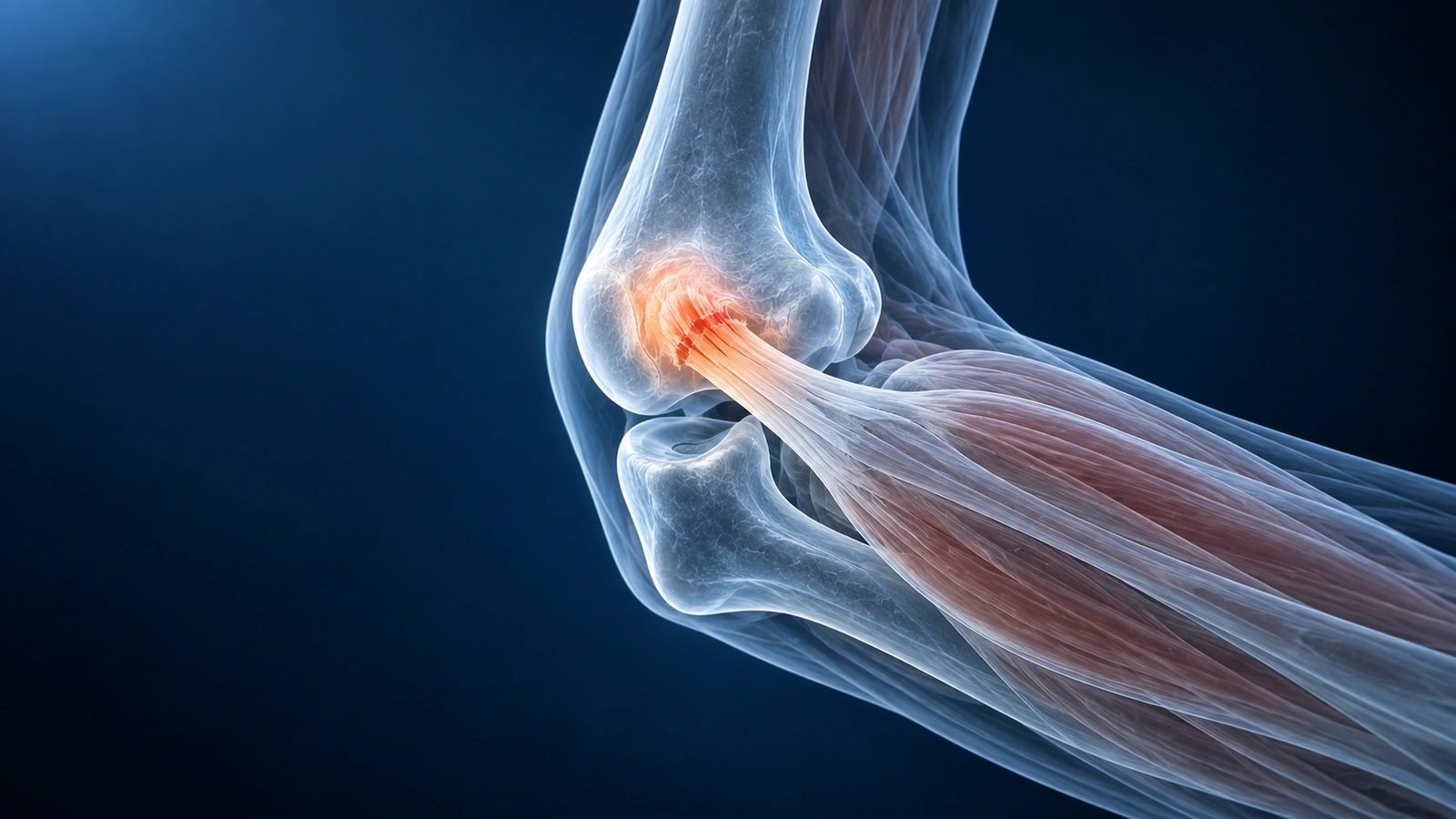
Lateral epicondylitis, commonly known as tennis elbow, affects the tendons that attach to the outer bony prominence of the elbow. Despite its name, most people who develop this condition have never played tennis. Repetitive gripping, twisting, and lifting motions are the primary culprits. The good news is that the vast majority of cases resolve without surgery, though healing requires patience and the right approach.
The condition involves microtearing and degeneration of the extensor carpi radialis brevis (ECRB) tendon. Rather than acute inflammation, chronic tennis elbow represents a failed healing response called angiofibroblastic tendinosis. Understanding this distinction is important because it explains why anti-inflammatory treatments alone often fall short and why structured rehabilitation is the cornerstone of recovery.
Natural Healing Rates
Research consistently shows that 80 to 90 percent of tennis elbow cases resolve with conservative treatment within 12 to 18 months. Many patients see significant improvement within 6 to 8 weeks of initiating a structured rehabilitation program. The natural history of the condition favors resolution, though the timeline varies based on severity, duration of symptoms before treatment, and the patient's occupation or activity demands.
Conservative Treatment Options
- Activity modification and ergonomic adjustments to reduce tendon loading
- Eccentric strengthening exercises, which stimulate tendon remodeling and collagen production
- Counterforce bracing with a forearm strap to redistribute forces away from the damaged tendon
- Physical therapy focusing on wrist extensor strengthening and flexibility
- Platelet-rich plasma (PRP) injections for refractory cases, showing promising results in recent trials
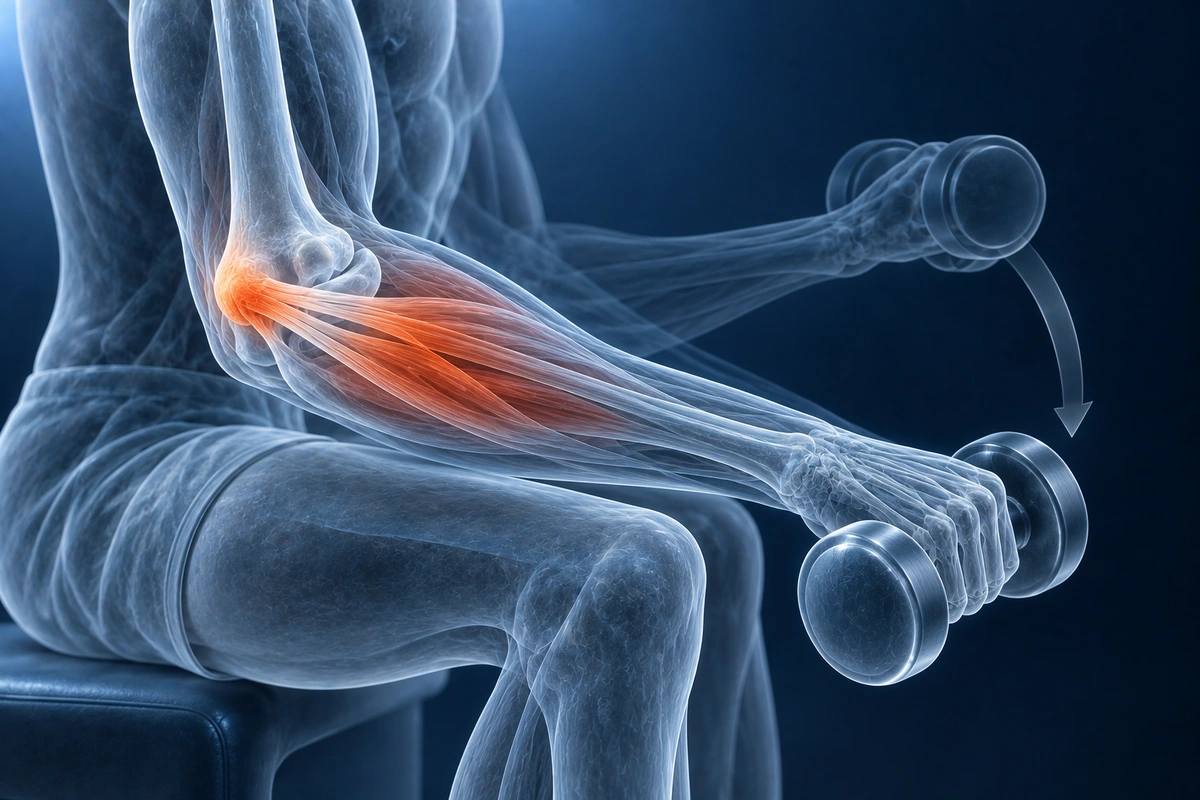
For a complete overview of elbow conditions and how they present on imaging, see our guide on elbow injury types explained.
Physical Therapy vs Surgery
Randomized trials comparing physical therapy to surgical debridement for chronic lateral epicondylitis show equivalent outcomes at one year. Surgery is typically reserved for patients who fail 6 to 12 months of structured conservative care. Surgical options include open or arthroscopic debridement of the degenerative tendon tissue, with success rates of approximately 85 to 90 percent. MRI can help identify the extent of tendon damage and guide treatment decisions. Learn more in our guide to reading elbow MRI.
When Surgery Is Considered
- Symptoms persist beyond 6 to 12 months despite comprehensive rehabilitation
- Pain significantly limits work or daily activities
- MRI shows significant tendon tearing or calcification
- Multiple injection therapies have failed to provide lasting relief
Key Takeaways
- 80 to 90 percent of tennis elbow cases heal without surgery within 12 to 18 months
- Eccentric strengthening exercises are the most effective conservative treatment
- The condition is tendon degeneration, not inflammation, so treatment targets tissue remodeling
- Surgery is reserved for refractory cases after at least 6 months of conservative care
Frequently Asked Questions
How long does tennis elbow take to heal?
Most cases improve significantly within 6 to 12 weeks of starting structured rehabilitation. Full resolution typically occurs within 6 to 18 months. Chronic cases that have been present for over a year before treatment may take longer.
Should I get an MRI for tennis elbow?
MRI is not usually needed for initial diagnosis, which is typically clinical. However, MRI becomes valuable when symptoms persist despite treatment, to assess the degree of tendon damage, rule out other conditions like radial tunnel syndrome, or plan for potential surgery.
Can tennis elbow come back after treatment?
Recurrence is possible, especially if the underlying cause such as repetitive work activities is not addressed. Maintaining a regular stretching and strengthening program for the forearm extensors significantly reduces recurrence risk.
Related Articles
Understand common elbow conditions including tennis elbow, golfer's elbow, UCL tears, radial head fractures, and OCD lesions.
Understand your elbow MRI report including UCL evaluation, epicondylitis findings, and OCD lesion staging.
Compare MRI and ultrasound for tennis elbow, golfer's elbow, UCL tears, and biceps injuries — strengths, limitations, cost, and dynamic assessment.
Related Conditions
Ready to analyze your imaging? Upload your MRI or X-ray for AI-powered analysis
Upload your MRI or X-ray DICOM files for private, AI-powered analysis. 4 models analyze independently — raw scan files stay in your browser.
Start AnalysisMedical Disclaimer: This page is for informational and educational purposes only. It does not constitute medical advice, diagnosis, or treatment. AI-generated analysis may contain errors. Always consult a qualified healthcare professional for medical decisions. Full Disclaimer